
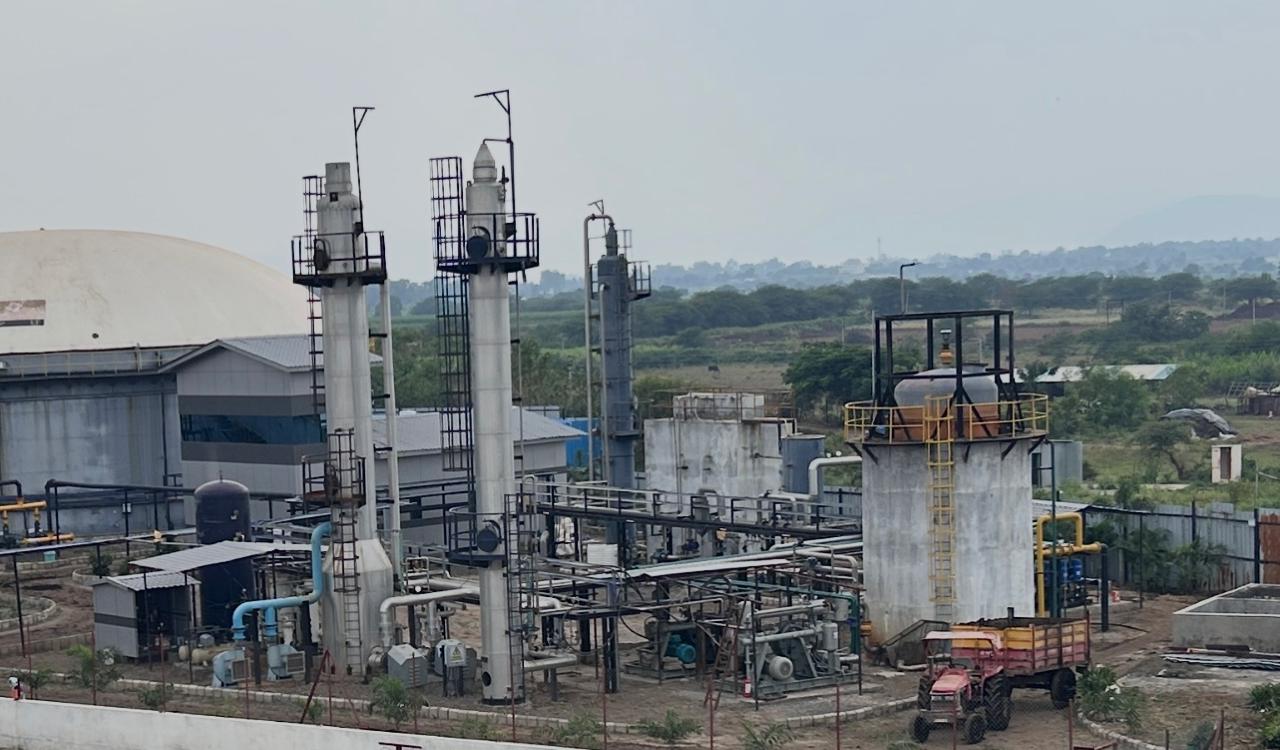
INTRODUCTON
India is expected to experience a great increase in energy demand over the next few decades, with its share of global energy consumption doubling by 2050. India has set a Target of 5000 CBG Plant until 2027.
Increased use of modern bioenergy is essential for energy transition and usage of compressed biogas within bioenergy is needed for spreading the benefits of the
transition locally.
The Indian government has announced an outlay of Rs 10,000 crores in the 2023–24 budget for the Galvanizing Organic Bio-Agro Resources Dhan (GOBARdhan) scheme.
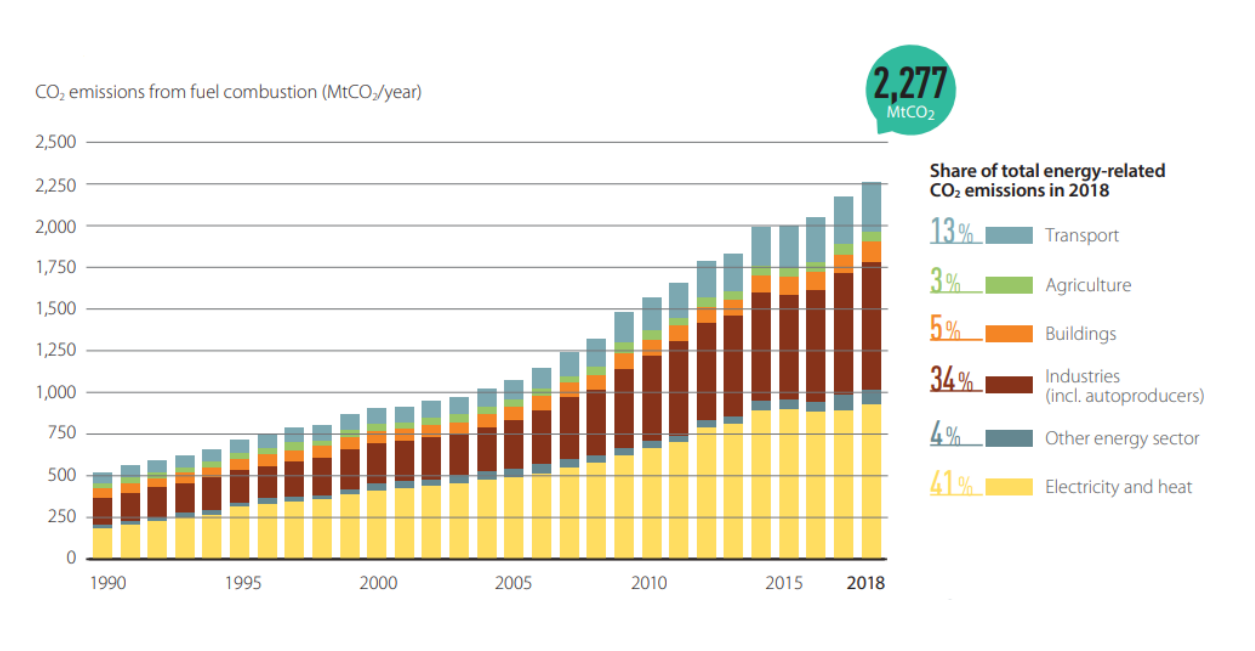
India’s energy demands and contribution to global greenhouse gas emissions
Over the next twenty years, India is expected to experience the greatest rise in energy demand compared to any other country due to its huge growth needs. By the year 2050, India’s share of global energy consumption will double from 7 per cent to 14 per cent. Additionally, India’s demand for oil and gas is anticipated to triple by 2050, with gas consumption growing threefold by 2030.
The International Energy Agency (IEA) forecasts that India will contribute to 25 per cent of the world’s growth in energy demand between 2020 and 2040.
Globally, the energy sector currently produces approximately 75 per cent of all greenhouse gas (GHG) emissions and it is crucial in preventing the most severe consequences of climate
change, which is arguably one of the most significant crises humanity has encountered as
a whole.
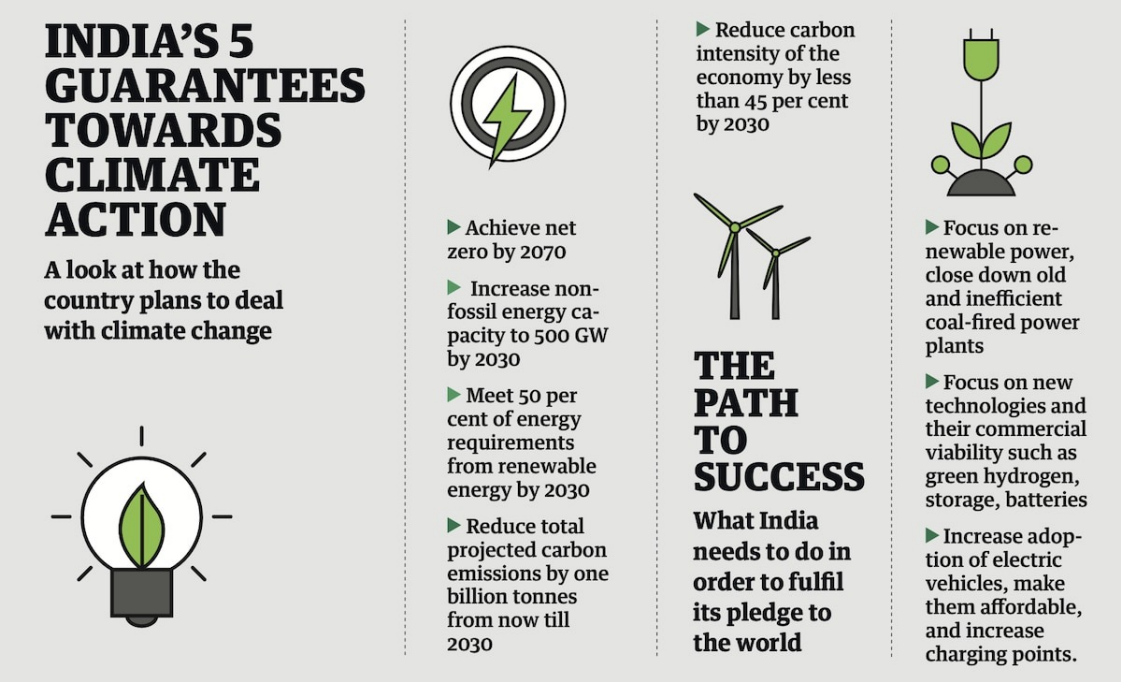
India’s global environmental commitments
According to India’s Nationally Determined Contribution (NDC) submitted to the United Nations Framework Convention on Climate Change (UNFCCC), India has pledged to decrease the emissions intensity of its gross domestic product (GDP) by 45 per cent by 2030 compared to the levels in 2005.
Additionally, India aims to generate around 50 per cent of its cumulative electric power from renewable energy sources by 2030 and is also committed to achieving net-zero GHG emissions by the year 2070. During the 26th Conference of the Parties (COP 26) held in
Glasgow in November 2021, the Glasgow Climate Pact was adopted, which aims to transform the 2020s into a period of climate action and assistance.
At the conference, the Prime Minister of India emphasized seven essential components of India’s energy strategy, two of which include increasing efforts to transition to a gas-based economy and relying more on domestic sources to promote biofuels.
Role of modern bioenergy in energy transition
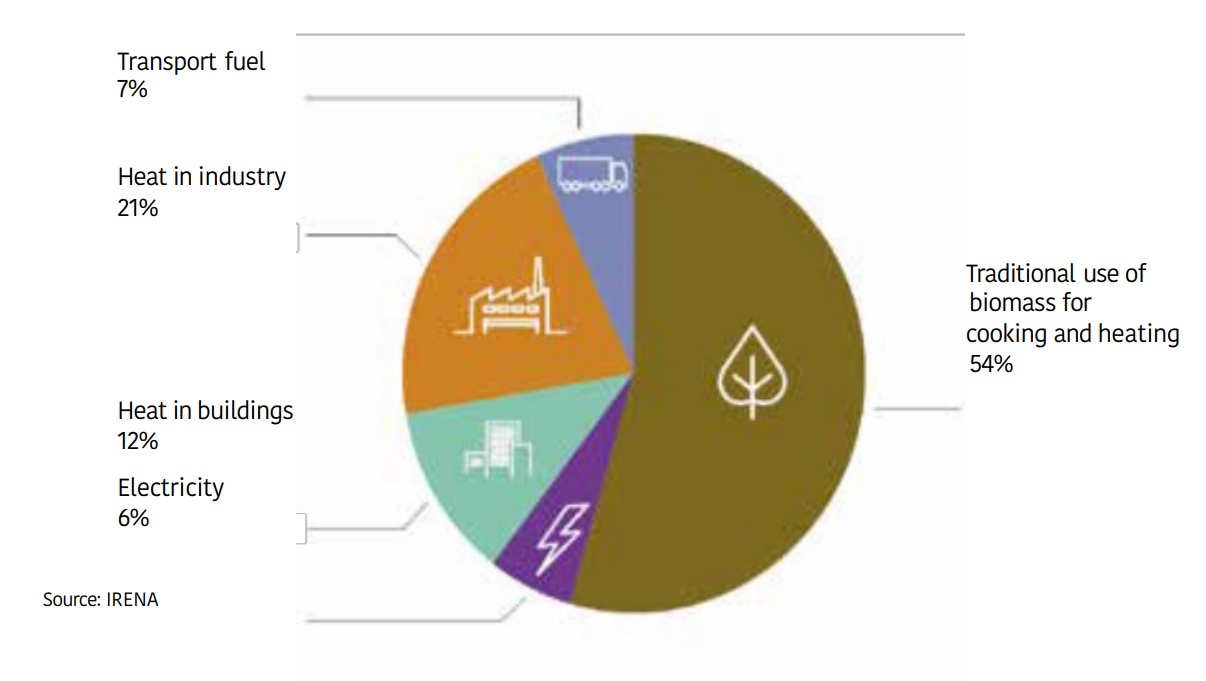
Bioenergy is an energy source that derives from organic matter present in plants or other organic waste. Using biomass in traditional cooking is problematic due to its inefficient use and the emission of harmful air pollutants, which can cause respiratory illnesses, especially in women and children. In 2020, around 54 per cent of bioenergy used was in the form of biomass for traditional cooking or heating (see Graph 1: Share of global bioenergy consumption by end-use in 2022). There is widespread agreement that the traditional use of biomass should be phased out as soon as possible.
Modern bioenergy, which involves utilizing commercial solid, liquid and gaseous biomassbased fuels with advanced technology, can play a crucial role in combating climate change. It not only decreases GHG emissions but also contributes to regional energy supply, generates
income for rural communities and enhances energy system flexibility, thereby increasing the resilience of societies worldwide.
The use of modern bioenergy increased at an average rate of approximately 7 percent per year between 2010 and 2021, and this trend is expected to continue. 6 According to IEA’s energy analysts, bioenergy is projected to account for 18 per cent of the total energy supply in 2050. By 2050, bioenergy will also be responsible for 15 per cent of energy consumption in industry, 16 per cent in transport and 10 per cent in buildings. It will also result in negative emissions through bioenergy carbon capture and storage, with a potential reduction of 1.3 billion tonnes of CO2 per year. 7 However, further efforts are necessary to accelerate the deployment of modern bioenergy to meet the Net Zero Scenario.
Significance of compressed biogas in modern bioenergy
Achieving net zero emissions requires more than just offering renewable electricity; renewable gases and liquids are equally important. Compressed biogas (CBG), which can be integrated into the existing gas infrastructure, provides the easiest route to decarbonizing natural gas applications. The use of biomethane reduces the total cost of ownership of the energy system as the infrastructure for
distribution and usage is already in place.
From April 2021 to January 2022, India spent $94.3 billion on oil imports. GHG emissions are currently 2.88 gigatons. The country imports close to 25 million metric tons per annum of liquefied natural gas. Biogas can play an important role in India’s energy transition, ensuring energy security and affordability, enhancing entrepreneurship, providing rural employment, and boosting local economies.
Transitioning to biogas can contribute to job creation for semi-skilled and skilled labor in multiple areas: waste collection, operations, construction, designing, engineering, and business development. The Government of India’s Sustainable Alternative Towards Affordable Transportation (SATAT) initiative was launched to boost the availability of compressed biogas (CBG) for the automotive and industrial sectors. It envisages an investment of INR 2 lakh crores ($263 billion) for setting up 5,000 CBG plants by 2024, with a production target of 15 million metric tons of CBG and 50 million metric tons of bio manure. Some other incentives include:
# Assuring a long-term price of INR 46/kg for CBG offtake until 2029
# Providing loans to set up CBG plants through priority sector lending
# Incorporating the use of bio manure—a by-product of CBG plants—in the amended Fertilizer Control Order in the form of fermented organic manure and digested biogas slurry
#. Ensuring offtake of CBG via long-term agreements with oil and gas companies
# Synchronization of CBG with city gas distribution networks
#. Providing financial assistance of INR 4 crores ($520,000) per 4.8 metric tons of biocompressed natural gas (BioCNG)/day generated from 12,000 cubic metres of biogas/day for enriched biogas/CBG projects, capped at INR 10 crore for each project (this policy is currently
under re-assessment)